LOWERING YOUR URIC ACID
Keeping your uric acid at a healthy level is essential to experiencing fewer gout symptoms. Talk to your doctor about the best management plan for you.

Understanding Treatment Options
The ultimate goal for gout management is to lower your uric acid levels. In addition to lifestyle changes, your healthcare team may recommend different short-term or long-term treatments. Short-term treatments are usually prescribed to relieve flare pain, and include oral medications like colchicine and ibuprofen. Longer-term treatments are designed to lower uric acid levels and include oral medications such as allopurinol, febuxostat, and probenecid as well as other medications given by infusion.* These longer-term treatments may help:
- Decrease how much uric acid the body makes, break it down, or help the body get rid of it faster
- Lower uric acid levels to a more normal range
- Provide relief from unexpected gout flare-ups and the formation of tophi

Medicines for Lowering Your Uric Acid Levels
Prescription gout treatments come in both oral and non-oral forms. The biggest differences between oral and non-oral gout treatments are the methods by which they work to lower uric acid levels.

Oral Gout Treatments
Oral treatments work to either make it harder for purines to turn into uric acid or to help the kidneys remove more uric acid from the body.

Infusion Gout Treatments
Infusion treatments turn uric acid into another substance that is more easily removed from the body through your urine.
Explore Treatment Options With Your Healthcare Team
If you're experiencing recurring gout flares (2 or more per year) while taking gout medication and/or experiencing painful lumps on your joints, it may be time to consider other treatment options that help dissolve uric acid crystals and lower your uric acid levels.
Talk to Your Gout Specialist and Take Control of Your Uric Acid Levels
Your rheumatologist or nephrologist can give you routine tests to keep an eye on your uric acid levels. They may also bring up different treatment options that can help manage your gout.
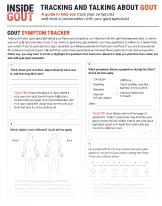
Download the Discussion Guide to prepare for your next appointment.