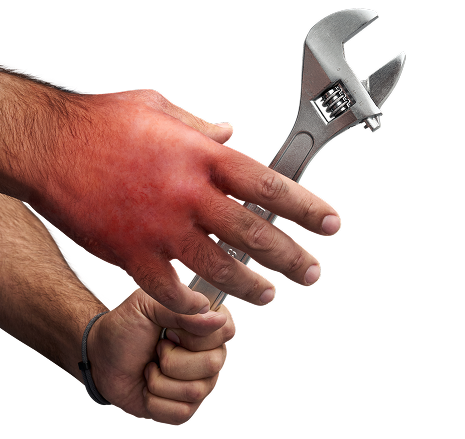
MY gout GIVES ME DAYS OFF I DIDN’T ASK FOR

Gout can be a lifelong disease that, for some people, can be progressive. That means it may get worse over time if its root cause, high uric acid, is not addressed. If it does get worse, it can become a more serious, chronic form of the disease known as uncontrolled gout.

When Is Gout Considered Uncontrolled Gout?
When someone has uncontrolled gout, it means they…
Have uric acid levels that remain high despite being treated with uric acid–lowering medications,
Have 2 or more gout flares per year,
Have visible, rock-like bumps (tophi) on their joints that don’t go away.
Uncontrolled gout may also be referred to as advanced gout, chronic gout, tophaceous gout, progressive gout, or severe gout.
Did you know?

Having multiple gout flares each year could mean your uric acid levels continue to be above normal, leading to continuous uric acid crystal formation. Even if you've gone from many flares to fewer flares over time with lifestyle changes and medication, your gout could be considered "uncontrolled" despite the progress you have made. A helpful tip is to track all flares and discuss the number with your gout specialist at every appointment.

Download the Discussion Guide to help support those conversations.
Setting the Record Straight: Uncontrolled Gout Is Not Your Fault
There are many factors that can play a role in how your body makes and gets rid of uric acid, and ultimately, developing gout and gout disease progression. Some of these factors may include:
- Genetics/family history
- Underlying medical conditions, such as obesity, diabetes, and chronic kidney disease
- High uric acid levels despite taking gout medication(s) to lower uric acid

Even when you change your diet and lifestyle and take prescription medication, gout can continue to get worse.